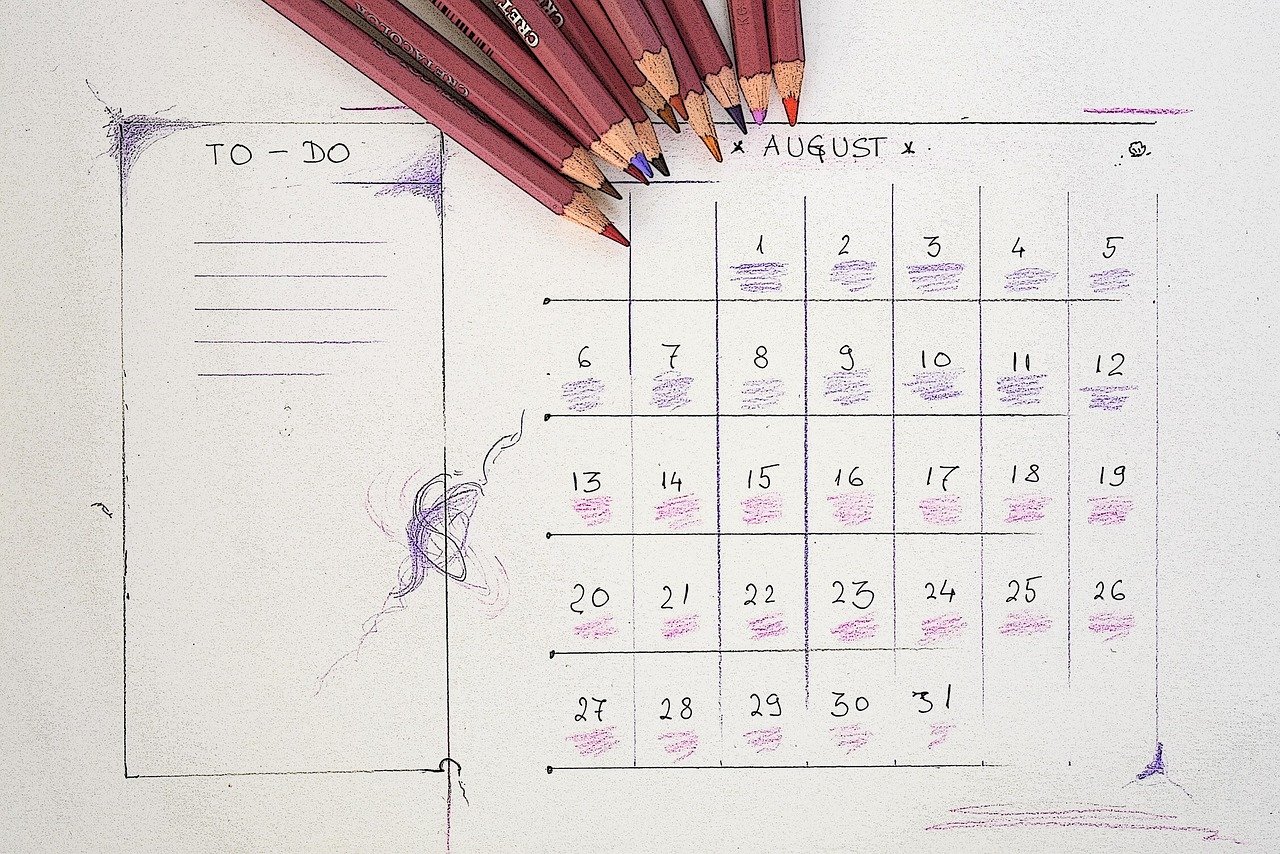
For a long time, I resisted the idea of a content calendar. It sounded rigid. Corporate. Overly strategic. I imagined spreadsheets filled months in advance and felt tired just thinking about it.
What I eventually realized is that a content calendar isn’t about control. It’s about clarity. It’s a way to protect your energy and reduce last-minute scrambling.
Done well, it doesn’t box you in. It gives you breathing room.
Planning removes decision fatigue
One of the most exhausting parts of creating content isn’t writing or recording. It’s deciding what to create next. When you sit down with no plan, every week feels like starting from zero.
A simple calendar eliminates that pressure. You already know what’s coming. You can focus on the work instead of the panic.
Start with simple intentions, not grand goals
You don’t need complicated metrics or lofty targets to begin. A calendar can be as simple as deciding:
- I will publish once a week.
- I will rotate between a few core themes.
- I will leave space for reflection.
That’s enough structure to stay steady without turning your writing into a performance review.
Think in themes, not random ideas
Organizing content into themes makes everything easier. For example:
- storytelling
- sharing knowledge
- consistency and habits
- repurposing
- mindset
When you work within themes, you’re not reinventing your direction each time. You’re deepening it.
Themes create cohesion. Readers start to recognize your perspective instead of just individual posts.
Consistency beats volume
A content calendar is not an invitation to post more. It’s a reminder to post steadily.
One thoughtful article each week builds far more trust than five rushed ones in a burst of enthusiasm. The calendar’s job is to help you maintain a pace you can sustain for months, not days.
Leave room for real life
Planning does not mean eliminating flexibility. Life happens. Energy fluctuates. Inspiration comes and goes.
A healthy calendar allows space for adjustment. If something timely feels important, you can shift. If a week gets busy, you adapt. Structure should serve you, not trap you.
Mix creation with curation
Not everything has to be original. Sometimes sharing a useful article, reflecting on industry news, or responding to a question can be just as valuable as publishing something brand new.
A balanced calendar includes both. It keeps your content thoughtful without making it overwhelming to produce.
Simple tools are enough
You do not need advanced software to manage a calendar. A notebook, a basic spreadsheet, or a simple digital document works fine.
What matters is visibility. When you can see what’s coming, your mind relaxes.
Review without obsessing
Occasionally, it helps to look back and ask:
- Which posts sparked thoughtful responses?
- Which felt most natural to write?
- Which topics seem to resonate?
You don’t need to analyze everything. Just notice patterns and adjust gently.
Planning builds quiet confidence
There’s something steadying about knowing your next few weeks are mapped out. It reduces the urge to chase trends or react impulsively. You’re not scrambling for attention. You’re following a rhythm.
That rhythm becomes part of your identity.
A calendar is a kindness to your future self
The real gift of a content calendar isn’t strategic advantage. It’s relief. When you sit down to create and already know what you’re working on, you free up mental space for better thinking.
Planning isn’t about being more ambitious. It’s about being more sustainable.
You don’t need a perfect system.
You just need enough structure to keep showing up.
And showing up, consistently and calmly, is where real progress happens.